


HOW MONEY SAYS GOODBYE
- jilfadons
- Oct 2, 2024
- 1 min read
The phrase "how money says goodbye" can be refined into a poetic exploration of the fleeting and often elusive nature of wealth. Here’s a more nuanced interpretation:
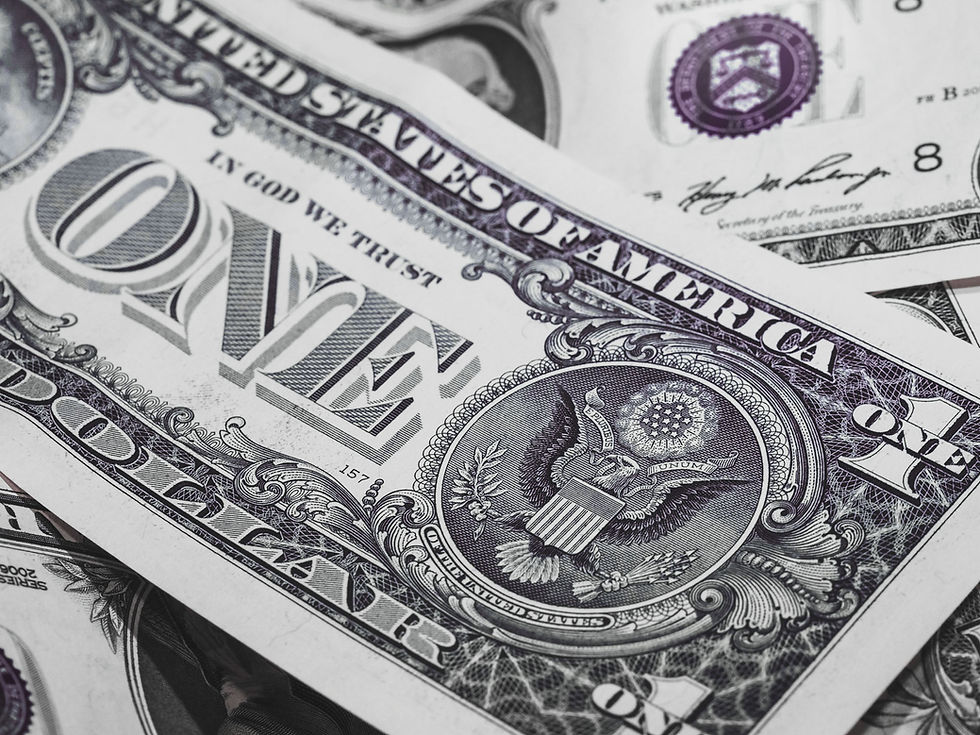
Money “says goodbye” in subtle yet profound ways, often unnoticed until it’s gone. It can slip away quietly in everyday transactions—small indulgences, unnoticed fees, or impulsive purchases. Over time, these little departures accumulate, and suddenly, we realize how much has been lost. In this way, money leaves not with a grand gesture, but with quiet exits that can easily go unacknowledged.
In larger contexts, money can disappear through poor financial decisions, such as bad investments, gambling, or overspending. Here, the goodbye is louder and more abrupt—money leaves swiftly, and the impact is felt deeply, as it doesn’t promise to return easily. This is where the relationship with money turns into a lesson in value: its departure teaches us to reconsider how we manage and appreciate it.

On a more philosophical level, money’s goodbye can symbolize the inevitable separation between material wealth and true fulfillment. When people shift their focus from accumulating wealth to nurturing experiences, relationships, or personal growth, money’s role diminishes.
In this context, its farewell is a transition rather than a loss—it leaves room for the arrival of more meaningful, non-material riches like happiness, love, and personal satisfaction.
Thus, money “says goodbye” in many forms: sometimes quietly, through mundane spending; sometimes dramatically, through financial missteps; and other times, it recedes gracefully as we pursue deeper, more lasting forms of wealth. Each departure is a reminder that while money is a tool, it’s not the ultimate measure of life’s value.


Comments