


Trump's inauguration and bitter cold across the U.S.: Morning Rundown
- jilfadons
- Jan 20, 2025
- 6 min read
Sure! Expanding on the topics in your initial query, here's a detailed 2000-word rundown of the events surrounding Trump’s inauguration, the bitter cold sweeping the U.S., and relevant political, social, and environmental contexts.
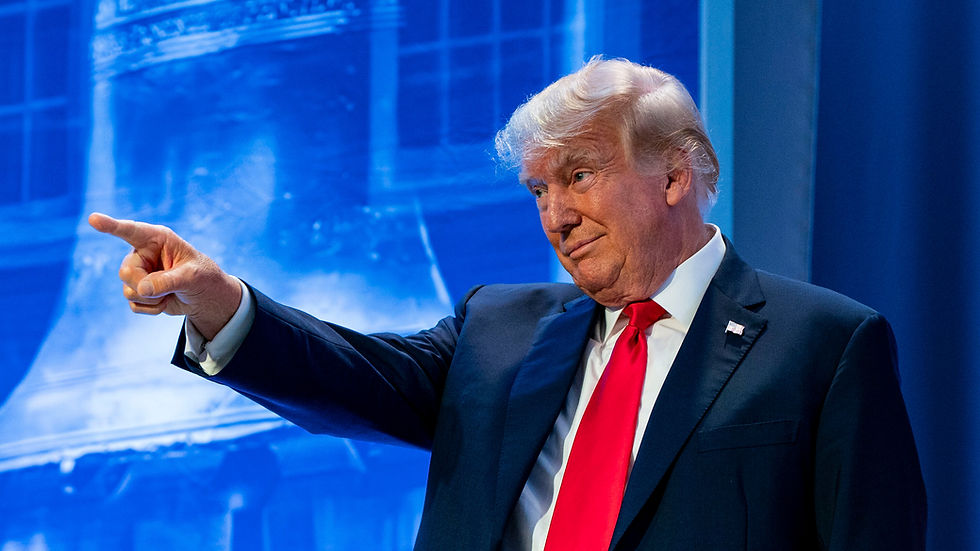
Trump's Inauguration: A Defining Moment in U.S. History
Donald Trump’s inauguration on January 20, 2017, was one of the most contentious and polarizing moments in recent U.S. history. The transition from Barack Obama’s presidency to Trump’s marked a dramatic shift in political direction, one that would reverberate throughout American society for years to come. The inauguration day, steeped in ceremonial tradition, also served as a reflection of the divisions that were becoming more apparent within the country.
Setting the Stage: A Divided America
The 2016 presidential election was a stunning victory for Donald Trump, a businessman and reality TV star with no prior political experience. His rise to the presidency was fueled by a populist message, emphasizing “America First” and promising to drain the swamp of Washington corruption. His rhetoric, often blunt and controversial, resonated with many voters who felt left behind by globalization and disillusioned with the political establishment. However, Trump’s campaign also attracted widespread criticism for its divisive language, including attacks on immigrants, women, and racial minorities.
As the election results rolled in on November 8, 2016, it became clear that Trump had defied the odds and secured the Electoral College victory, though he lost the popular vote to Hillary Clinton. This outcome sparked protests across the nation, as millions of Americans were dismayed by the election results. The country was deeply divided—some celebrated Trump’s victory as a triumph for the forgotten working class, while others feared what his presidency might mean for civil rights, climate change, and international relations.
By the time Inauguration Day arrived, there was palpable tension in Washington, D.C. Trump’s inauguration would be a moment for the new president to address the nation, unify a divided electorate, and set the stage for his presidency. Instead, it would become a symbol of the culture wars that were to dominate his time in office.
The Inauguration Day: A Day of Contrasts
On January 20, 2017, the National Mall in Washington, D.C., was filled with supporters of President-elect Donald Trump. The event was a traditional and grand display of American democracy, with the swearing-in ceremony held on the steps of the U.S. Capitol. Trump was inaugurated at noon, as per the U.S. Constitution, with Chief Justice John Roberts administering the oath of office.
Trump’s inaugural address was a sweeping, populist speech that decried the political establishment and promised to return power to the American people. His promise to “make America great again” set the tone for his presidency, which would focus on deregulation, tax cuts, and renegotiating trade deals. Trump’s words were often harsh, especially when he condemned the so-called elites and vowed to end the “era of American carnage,” referring to issues such as crime, unemployment, and illegal immigration.
While the inauguration itself was a moment of celebration for Trump’s supporters, it was also marked by controversy. Protests erupted across the country, with many vocal opponents of Trump’s presidency taking to the streets to express their discontent. The Women’s March, held the day after the inauguration, became one of the largest single-day protests in U.S. history, with millions of women (and men) marching in cities around the world to stand against Trump’s policies, particularly on issues of women’s rights, healthcare, and immigration.
The contrast between Trump’s inaugural address and the protests that followed highlighted the growing polarization within the country. For many, the inauguration was not just the beginning of a new presidency but a sign of deep divisions that had reached a boiling point. It set the stage for a presidency that would consistently challenge traditional norms and face a relentless wave of opposition.

Trump’s Presidency: The Legacy of Inauguration Day
Looking back, Trump’s inauguration on January 20, 2017, was more than a ceremonial event. It was the beginning of a presidency that would be marked by constant controversy, high-stakes policy battles, and unprecedented political polarization. His administration implemented sweeping changes in areas such as immigration, healthcare, and environmental policy, and it remained embroiled in investigations and legal challenges throughout his time in office.
The political climate that emerged after Trump’s inauguration shaped U.S. politics for years to come. His leadership polarized not only the political parties but also American citizens, many of whom became more deeply entrenched in their ideological beliefs. This polarization would have a profound impact on future elections, including the 2020 presidential race, which saw the return of Joe Biden to the White House and a continuation of the ideological battles that Trump had initiated.
Bitter Cold Across the U.S.: Weather Events and Climate Considerations
While Trump’s inauguration made headlines, another important and ongoing story during January 2025 is the bitter cold that is sweeping across the United States. Frigid temperatures have gripped much of the country, causing major disruptions and raising concerns about climate change and the fragility of U.S. infrastructure in extreme weather conditions.
The Current Cold Snap
Across much of the United States, temperatures have plummeted to dangerous lows. The cold front has stretched from the Midwest through the Northeast and into parts of the Southeast. In cities like Chicago, Minneapolis, and New York, wind chills have made it feel like temperatures are well below zero, forcing schools and businesses to close and prompting travel disruptions due to icy roads and flight cancellations.
The bitter cold is a reminder of the extreme weather events that have become more frequent in recent years. These cold snaps are not unusual for the winter months, but they are becoming increasingly severe, and the impact is being felt across the country. There have been reports of power outages as the demand for heating spikes, and authorities are urging residents to take precautions against frostbite and hypothermia.
Impacts on Everyday Life
The effects of the cold front are widespread, affecting everything from transportation to healthcare. Many cities are experiencing significant travel disruptions, with major highways closed due to icy conditions and hundreds of flights canceled or delayed. The transportation sector is often one of the first to feel the effects of extreme weather, as icy roads and freezing temperatures make travel hazardous for drivers and passengers alike.
In addition to the logistical challenges, the cold weather also poses serious health risks. Vulnerable populations, including the elderly and those with pre-existing medical conditions, are at increased risk of cold-related illnesses. Hospitals and emergency rooms are seeing an uptick in cases of hypothermia, frostbite, and other cold-related injuries. Public health experts are warning people to stay indoors whenever possible and to dress in layers to protect against the extreme cold.
For those who work outside, such as construction workers, first responders, and utility workers, the cold presents an added danger. Exposed skin can freeze quickly in such temperatures, and prolonged exposure can lead to serious medical issues. Local authorities are working around the clock to clear snow, treat icy roads, and provide shelter for those who may be homeless or without heat.
Climate Change and Extreme Weather
While cold snaps are a natural part of the climate cycle, there is growing concern about how climate change is influencing the frequency and intensity of extreme weather events, including both heatwaves and cold fronts. The U.S. has witnessed a rise in extreme weather incidents in recent decades, from hurricanes to wildfires to record-breaking cold temperatures.
The question of how climate change may be contributing to these extreme weather events is one that has been the subject of significant debate and research. Scientists argue that warming global temperatures are causing shifts in atmospheric patterns, which can lead to more unpredictable and severe weather. Warmer air can hold more moisture, leading to more intense storms, while changes in ocean currents and polar ice melt are affecting weather systems in ways that were previously unpredictable.
In the case of cold snaps like the one currently gripping much of the U.S., there is some evidence to suggest that climate change may play a role. As the Arctic warms at a faster rate than other regions, it is disrupting the polar vortex—a large area of low pressure and cold air that typically remains contained in the polar regions. When the vortex weakens, it can lead to outbreaks of cold air moving southward into the U.S., as seen in the current cold snap.
Whether or not climate change is directly responsible for the specific cold snap is a complex issue, but the broader trends of extreme weather and rising global temperatures are a significant concern for public policy and disaster preparedness. As these extreme weather events become more frequent, the need for resilient infrastructure, early warning systems, and community preparedness will become increasingly urgent.
Conclusion: The Intersection of Politics and Weather
January 20 is not only a day marked by the historical significance of Trump’s inauguration but also a reminder of the ongoing challenges facing the nation. The bitter cold that is currently sweeping the U.S. serves as a stark reminder of the environmental challenges we face. Whether through the lens of political divisions sparked by Trump’s presidency or the reality of extreme weather events exacerbated by climate change, the events surrounding this day show the deep complexities of modern America.
In a broader sense, Trump’s inauguration and the cold snap both illustrate how politics, social issues, and environmental concerns are increasingly intertwined. As the U.S. moves forward, these forces will continue to shape the national conversation, influencing everything from domestic policy to international relations, and the everyday lives of citizens.


Comments